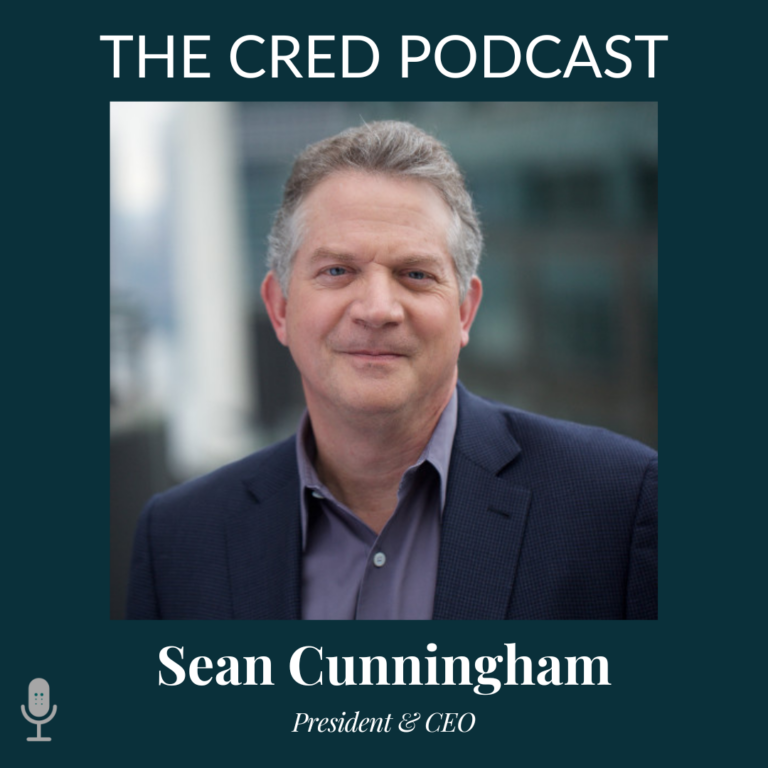
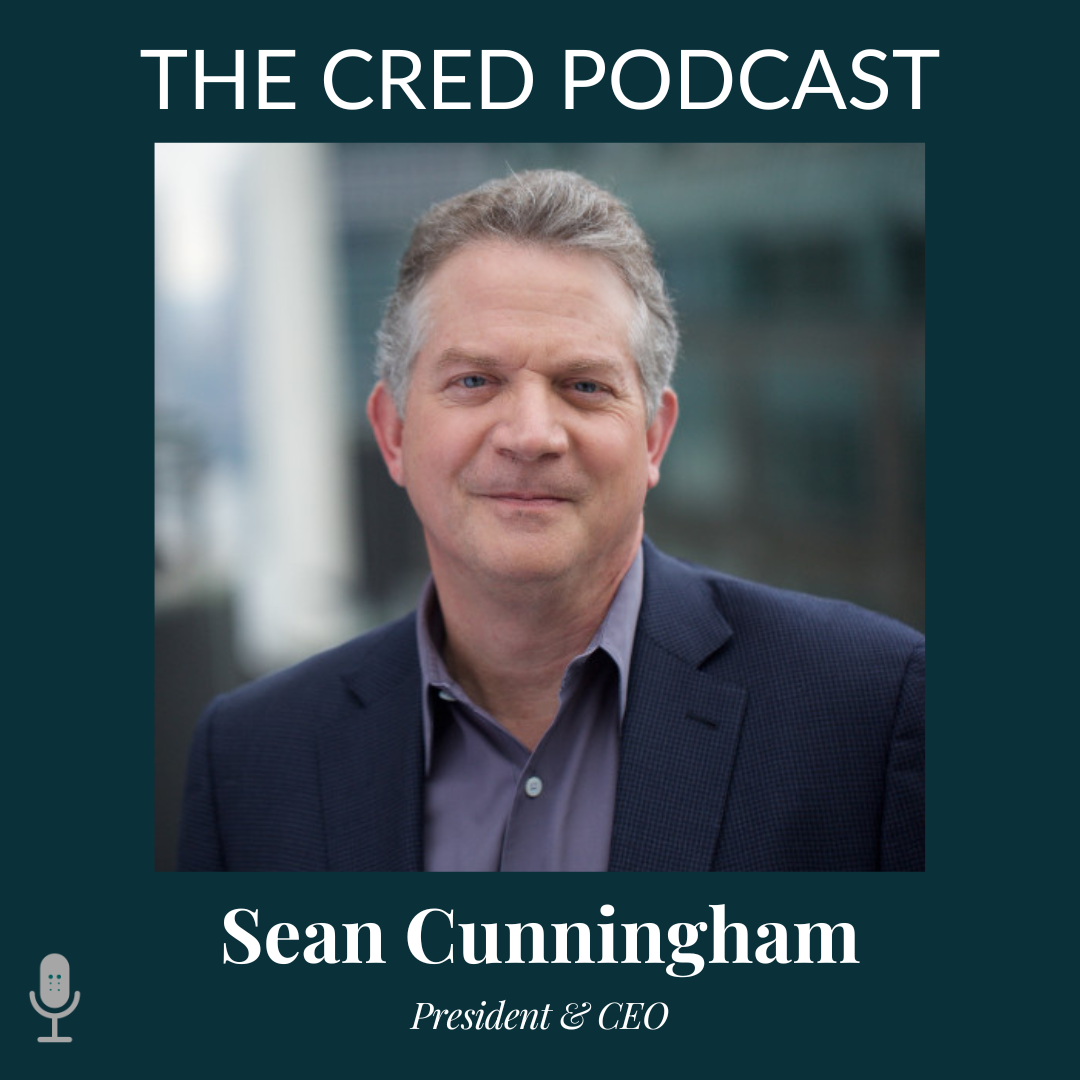
Sean Cunningham: Reaching Real People in a World Full of Bots

Sean Cunningham: Reaching Real People in a World Full of Bots

What does it really take to hold an industry accountable?

In this episode of The Cred Podcast, host Mack McKelvey sits down with Sean Cunningham, President and CEO of the Video Advertising Bureau (VAB), for a candid conversation about the state of premium video, the battle for measurement transparency, and why the future of advertising depends on getting back to real humans.

From the inside story of how the VAB took on Nielsen during COVID to why 54% of internet traffic being non-human should terrify every marketer, Sean makes the case that the advertising industry has been far too tolerant of opacity, bad behavior, and metrics of illusion.

The conversation covers the full spectrum of today’s video landscape: why not all impressions are created equal, how direct-to-consumer brands have proven premium video is a full-funnel performance driver, and why the “death of linear” is a myth.

Sean also gives a preview of what the VAB will be bringing to Possible in a few weeks.

The Trust Knob: How AI Is Changing the Way Companies Make Decisions

The Trust Knob: How AI Is Changing the Way Companies Make Decisions

What if the most important decision your company makes this year isn’t made by a human at all?

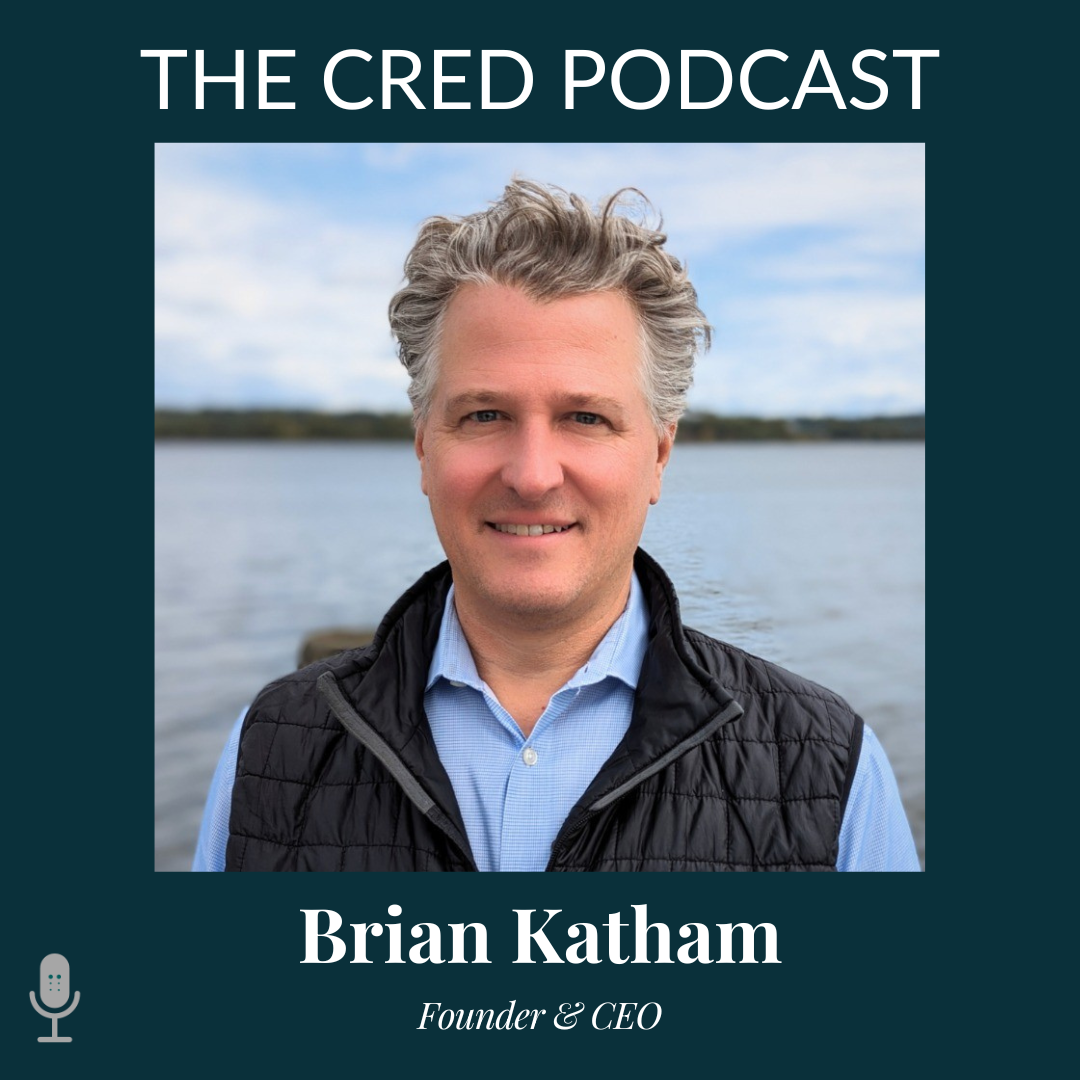
In this episode of The Cred Podcast, Mack McKelvey sits down with serial entrepreneur Brian Kathman, CEO of OpsCanvas, to unpack one of the most underexplored frontiers in AI: decision memory. 

Brian has been building companies since 1999 — from the world’s first transactional online bank to mobile messaging long before the iPhone existed — and now he’s tackling the question keeping enterprise leaders up at night: when do we trust AI to make the call?

Brian introduces the concept of the “context graph” — the trillion-dollar missing layer that Foundation Capital calls the key to unlocking AI in production — and explains why 90% of enterprise AI initiatives are stuck in proof of concept. Spoiler: it’s a trust problem, not a technology problem.

They also dig into the “trust knob,”  the idea that handing decisions to AI isn’t a binary switch but a dial, and that the smartest companies are figuring out how to turn it up gradually, without losing the humans along the way.

Decisions Fail in the Gaps

Decisions Fail in the Gaps

Decisions fail in the gaps, not the strategy.

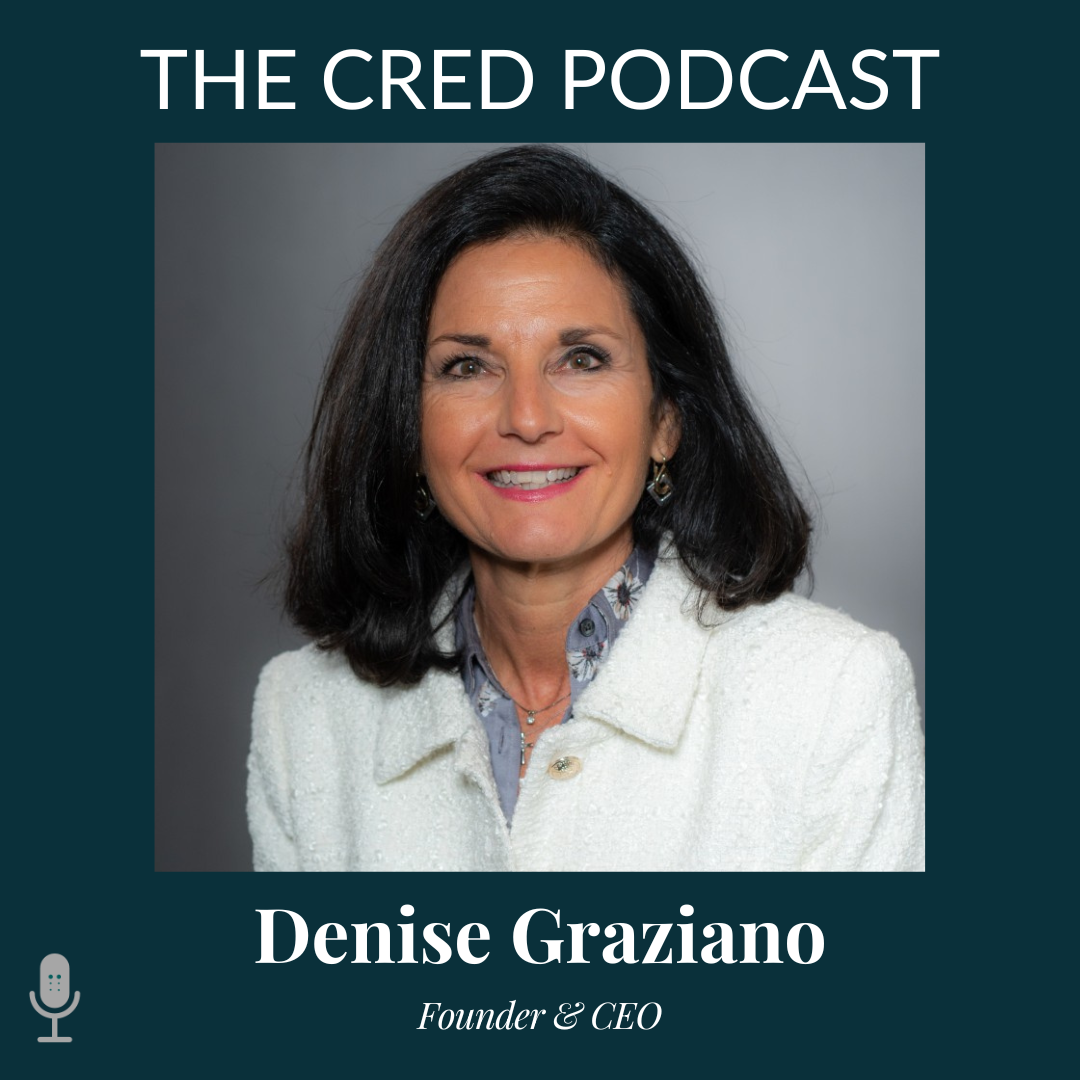
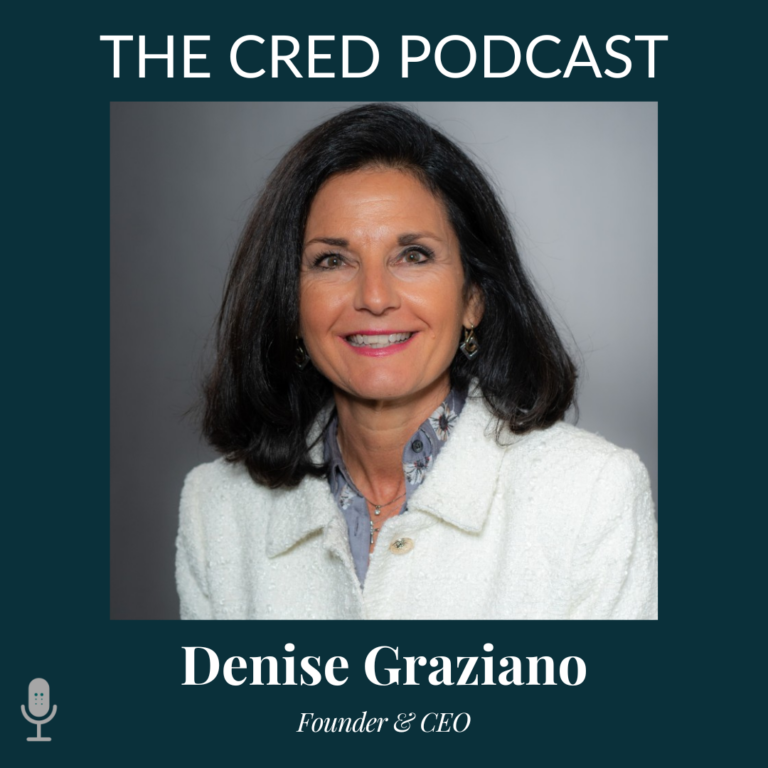
In this episode of The Cred Podcast, Denise Graziano (Founder and CEO of Graziano Associates) breaks down why smart teams still make costly decisions. It’s not a lack of data or intelligence. It’s misalignment, not thinking two steps ahead, or treating communication like an afterthought instead of a strategic tool.

Denise has spent 30 years as a trusted advisor to CEOs, CFOs, and boards and she’s watched the same pattern repeat itself: leadership teams who think they’re aligned but aren’t even defining the problem the same way. Meanwhile, speed driven by AI, investor pressure, and shrinking ROI runways pushes decisions forward before they’re fully pressure-tested.

And the fallout rarely looks like a bad strategy. It’s simply a gap nobody closed.

Stuck on a Decision? Start Here.

Stuck on a Decision? Start Here.

When a decision won’t move, most teams do the same thing: gather more data, debate options, push harder.

Pam Scott and Di Tompkins take a different approach. After 25+ years of working together, they’ve learned that when something feels stuck, it’s usually not about the answer. It’s about the question. Here are a few ways they think about it:

Interrogate the question

Before jumping to solutions, slow down and unpack what’s actually being asked. Is the question framed too narrowly? Too broadly? Is it even solving the right problem?

Pam and Di will spend time pulling a question apart from every angle: what’s behind it, what’s driving it, what might be missing. Because once the question shifts, the entire conversation tends to change with it.

You can’t solve everything from the inside

There’s a reason outside perspective matters.

They describe it as bringing a different “color to paint with.” When you’re too close to a problem, you’re limited by your own context, assumptions, and history. A new perspective changes how you see the problem in the first place.

Insight should open things up

Insight isn’t there to confirm what you already think, it’s there to challenge it. The goal isn’t more data. It’s a deeper understanding that creates movement. The kind that surfaces new opportunities, reveals tension, and pushes thinking in a direction you hadn’t considered before.

Know when it’s intuition versus bias

Instinct plays a role in decision-making, but it’s not always reliable. The real skill is knowing when your intuition is grounded in experience and pattern recognition and when it’s being shaped by bias, fear, or habit. That distinction is what leads to better, more confident decisions.

People don’t need to agree, but they need to feel heard

Not everyone needs to be aligned on the final decision, but they do need to feel like their perspective was considered. When people are part of the process, decisions move faster and land more effectively. 

Getting unstuck isn’t about forcing an answer. It’s about seeing the problem differently.

You can hear how Pam Scott and Di Tompkins put this into practice in their full conversation on The Cred Podcast.

Question the Question with Pam Scott & Di Tompkins

Question the Question with Pam Scott & Di Tompkins

Feel stuck on a decision? Try interrogating the question.

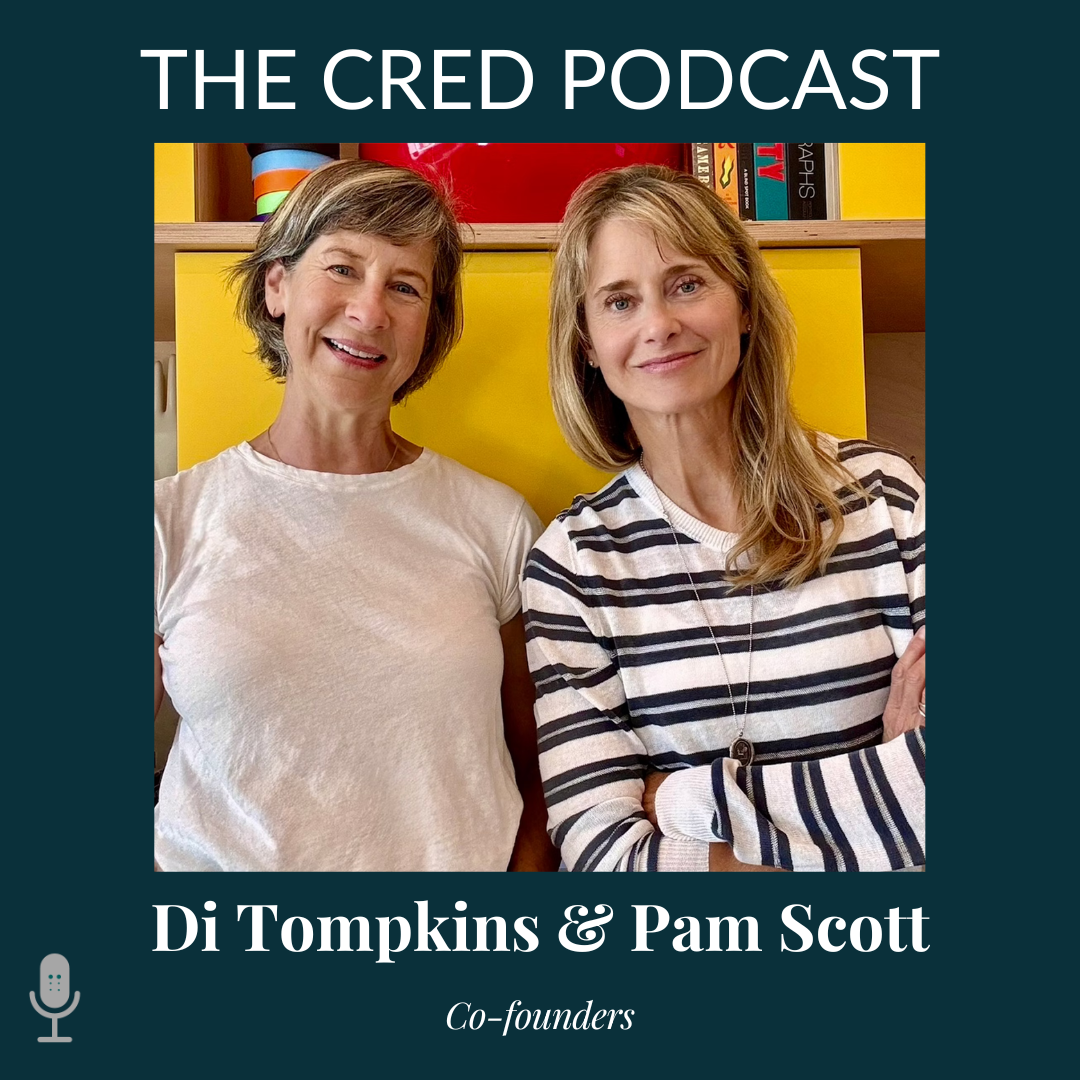
Pam Scott and Di Tompkins have been solving hard problems together for decades, and their first move is almost always to question whether someone is solving the right problem. As co-founders of The Curious Company, they bring outside perspective to mission-driven leaders who’ve hit a wall: a different color to paint with, a reframed question, and the kind of honest conversation most organizations aren’t having internally.

On this episode of The Cred Podcast, Mack sits down with two genuinely curious women who listen for a living, challenge with warmth, and have built a 26-year partnership by celebrating what makes them different. It’s a conversation about creativity, decision-making, and what happens when you finally stop trying to answer the wrong question.

Lana Kerr: Lead with Conviction, Execute with Consensus

Lana Kerr: Lead with Conviction, Execute with Consensus

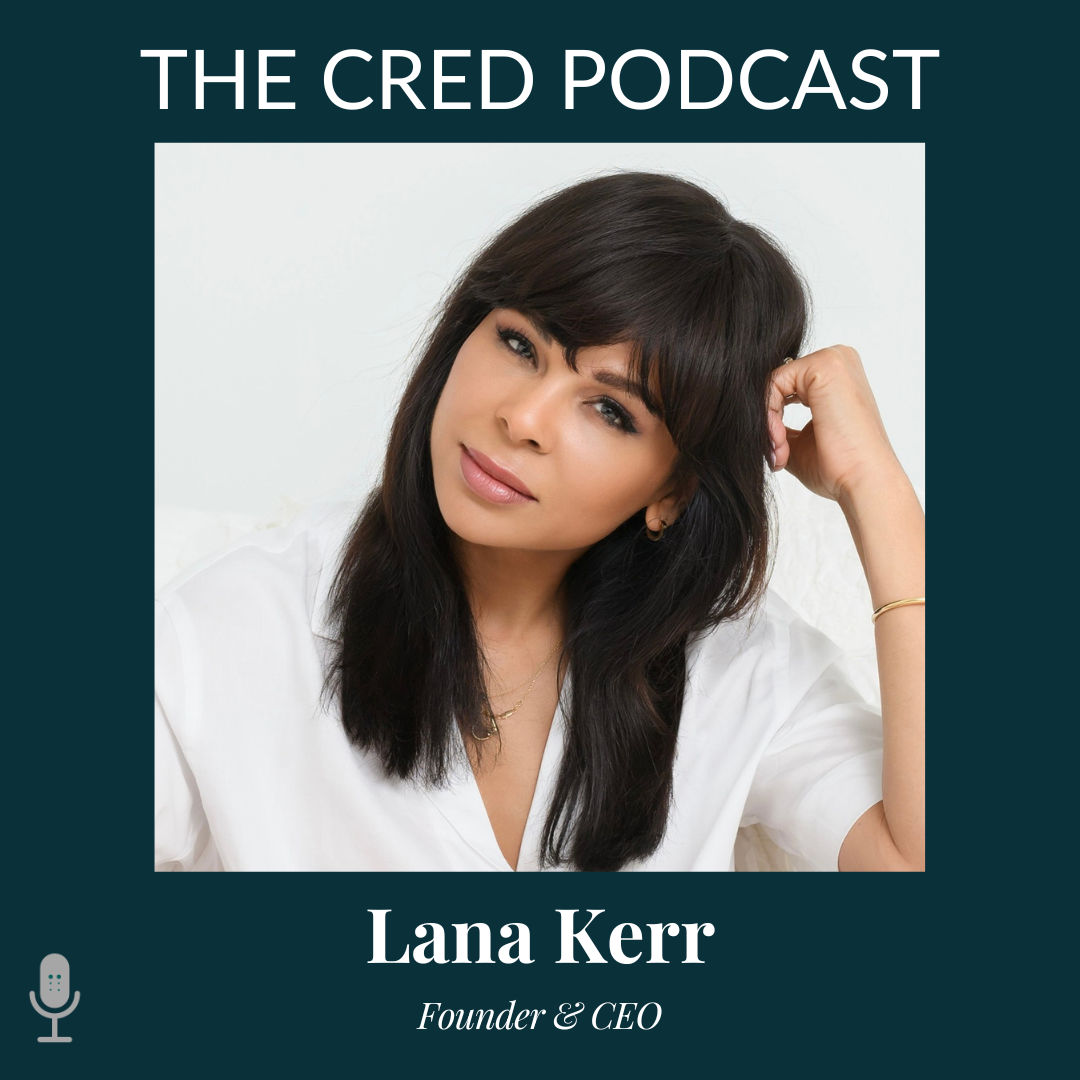
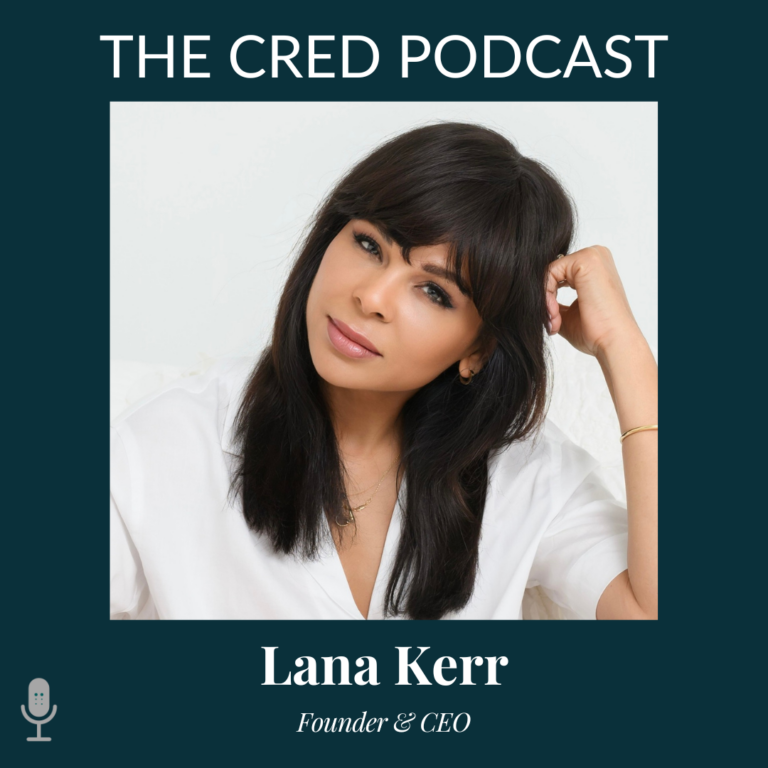
In this episode of The Cred Podcast, Lana Kerr joins Mack McKelvey for a candid conversation about decision-making as a founder, CEO, and leader. From trusting instinct in the early stages of growth to learning when to slow down and bring in more voices, Lana reflects on how her approach has evolved over time. She talks about the difference between making business decisions and people decisions, the importance of starting with the desired outcome, and why culture fit is just as important as credentials. The result is a thoughtful look at what it really means to lead: making the call, owning the consequences, and keeping the team moving with momentum in the same direction.

As Lana puts it, leadership is often 80% psychology and 20% strategy because a team’s mindset and energy shape outcomes just as much as the plan itself.

blog-Making Decisions Like a Musician

Making Decisions Like a Musician

What nine years at Grindr taught Bill Shafton about leading through complexity

The best leaders, Bill Shafton says, make decisions the way musicians perform. You study the chords, the structure, the theory. But once you’re on stage, you just play. The research gives you the framework. The experience gives you the instinct.

It’s a philosophy Shafton developed over nine years as the legal backbone of Grindr, navigating a Chinese acquisition, a national security divestiture, and a Wall Street IPO. Along the way, he learned that the quality of a decision isn’t just about being right. It’s about being trusted.

Start with the North Star

In a crisis, Shafton says, the first thing to get lost is perspective. Stakeholders pull in different directions — a CEO focused on quarterly growth, a board member eyeing an exit. His job was always to anchor the conversation around one question: what’s in the long-term interest of the company?

“It sounds obvious,” he says, “but in the heat of a crisis, that’s exactly what gets forgotten.”

Operate in the gray

One of the most important things Shafton coaches his team on is moving away from binary thinking. Legal isn’t about what’s allowed and what isn’t. It’s about how you do something responsibly within the boundaries of what’s possible.

The question isn’t just “is this legal?” It’s “does this meet our users’ expectations? Are we being transparent enough? And does this protect the trust we’ve built?”

Know which doors only open one way

Not all decisions deserve the same weight. Shafton borrows from Jeff Bezos’ framework of one-way doors versus two-way doors. For reversible decisions with low permanent impact, he biases for speed. The cost of being slow often outweighs the cost of being wrong. For consequential, irreversible decisions, he slows down, brings more voices in, and pressure tests every assumption.

The goal isn’t consensus, it’s alignment, making sure everyone understands the decision being made and why, so that when it’s time to move, everyone is singing the same song.

The liver nobody celebrates

Shafton describes the legal function with characteristic self-awareness: it’s like an institutional liver. Nobody celebrates their liver on a daily basis. But without it, things break down quickly.

The best partners in a business aren’t the ones who say yes to everything or block everything. They’re the ones who process the complexity so the rest of the organization can move.

Perfect vs. impeccable

When decisions don’t go as planned — and they won’t — Shafton draws a distinction he returns to often. Perfect isn’t achievable. Impeccable is. Doing the best you can with the information you have, raising your hand when something goes wrong, and staying transparent throughout.

The mistake, he says, is rarely just the mistake. It’s not surfacing it early enough to course correct.

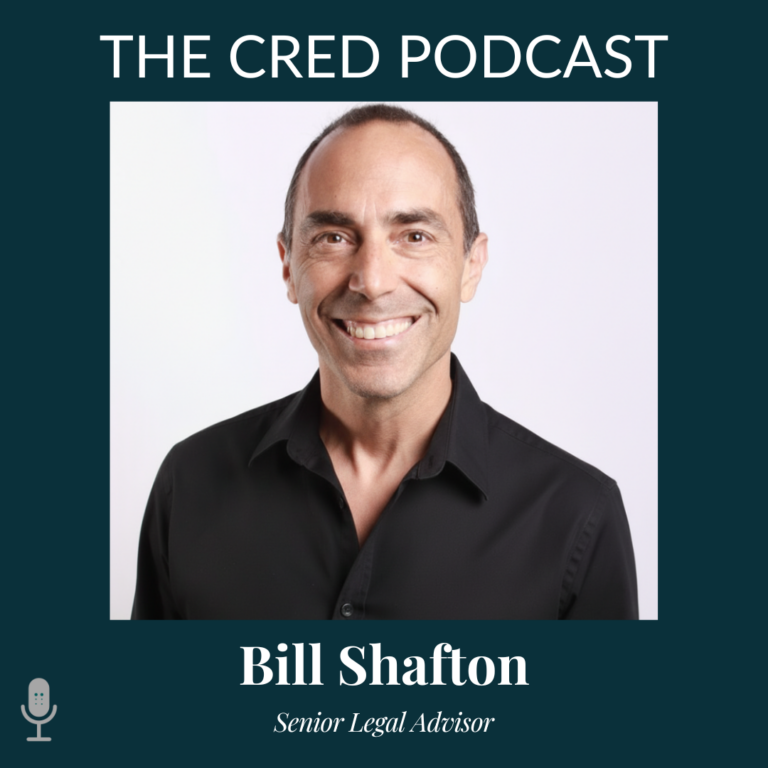
Bill Shafton is a senior legal advisor at Grindr. He joined Mack McKelvey on The Cred Podcast to talk about decision-making, leadership, and operating through complexity. Listen to their conversation below.

Making Decisions Like a Musician

Making Decisions Like a Musician

Bill Shafton spent nine years as the legal backbone of Grindr, navigating a Chinese acquisition, a national security divestiture, and a Wall Street IPO. In this episode, he breaks down his philosophy on decision-making: how research sets the boundaries, but instinct drives the performance.

Tune in to learn how Bill operates in the gray areas, making high-risk decisions with incomplete data, and why “technical correctness” doesn’t shield you from reputational fallout. If compliance is the baseline, trust is the real metric.

He also shares why the legal function is less like a gatekeeper and more like an institutional liver (not glamorous, but essential to keeping the whole body running).

Why Consensus Is the Wrong Signal With Steven Rosenblatt

Why Consensus Is the Wrong Signal With Steven Rosenblatt

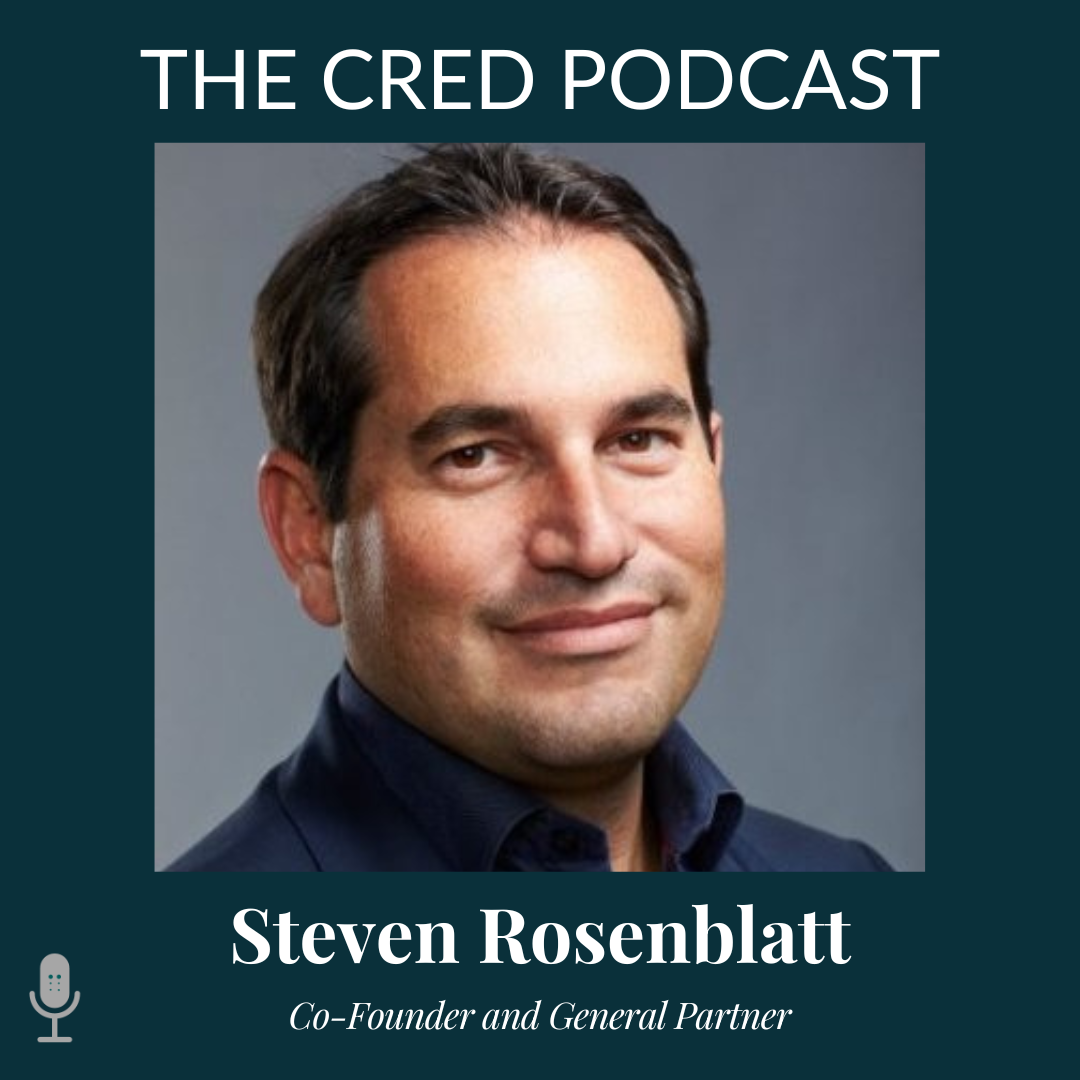
In this episode of The Cred Podcast, Mack talks with Steven Rosenblatt, co-founder and General Partner at Oceans, about how decisions really get made when you’re building companies, backing founders, and choosing what to stand behind before the outcome is obvious.

Steven reflects on the early mobile days, helping Apple launch iAd, and his time at Foursquare, where survival meant rethinking the business entirely. Those experiences now shape how he invests at Oceans: why it’s all about the people, how he evaluates founders,  and why consensus can be dangerous in venture investing.

More than anything, Steven makes clear that early-stage decision-making is about backing people and committing to the call.

Making Decisions in the Gray with Tess Michaels

Making Decisions in the Gray with Tess Michaels

On this episode of The Cred Podcast, Tess Michaels, Founder and CEO of Clasp, joins Mack McKelvey to talk about making decisions while building a new category at the intersection of education, healthcare, and workforce retention,  where there is no established playbook to follow.

Tess breaks down how customer signals shape better decisions, why pattern recognition beats perfect data, and how learning when to say no is critical to scaling without distraction. Listen in on a  sharp conversation on leadership, focus, and navigating the gray.